Breast Pain, Lumps & Hormonal Changes: What’s Normal-and When to Worry
Feb 06, 2026
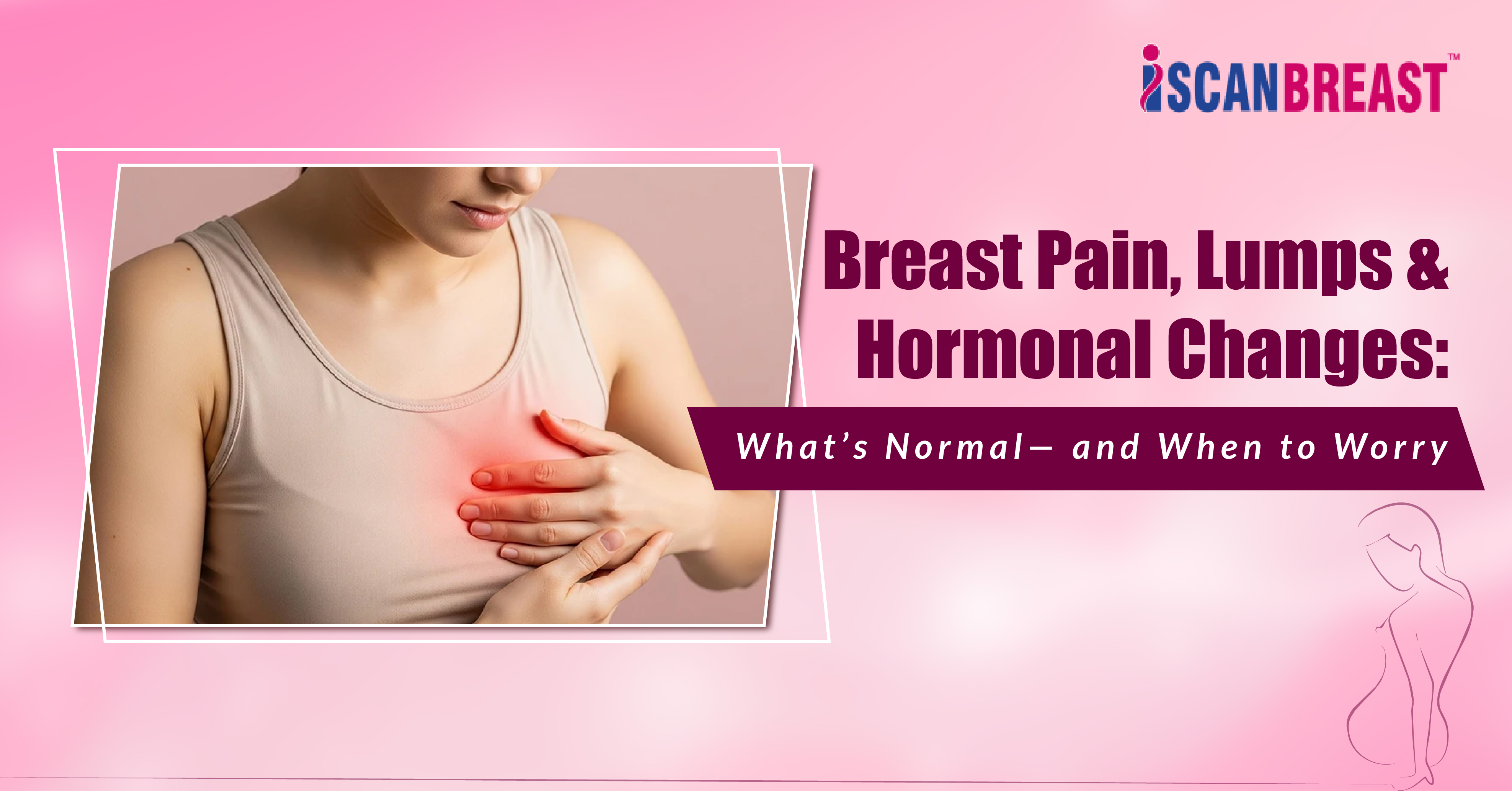
Table of Contents
More from Blog

Feb 06, 2026

Feb 06, 2026
Feb 06, 2026
Feb 06, 2026
Feb 06, 2026
Introduction
Breast discomfort and changes are common experiences for many individuals, often linked to hormonal fluctuations, menstrual cycles, or lifestyle factors. Understanding the difference between normal hormonal breast changes and signs that need medical attention is essential. This guide explores causes of breast pain, lumps, and tenderness, helping you identify when these changes are typical and when to consult a doctor. Proper awareness ensures timely intervention and peace of mind.
Understanding Breast Pain and Hormonal Changes
Breast pain, medically known as mastalgia, affects many women at some point in their lives. Hormonal fluctuations, particularly estrogen and progesterone levels, can lead to temporary breast tenderness and swelling. These hormonal breast changes are usually normal and may vary in intensity throughout the menstrual cycle.
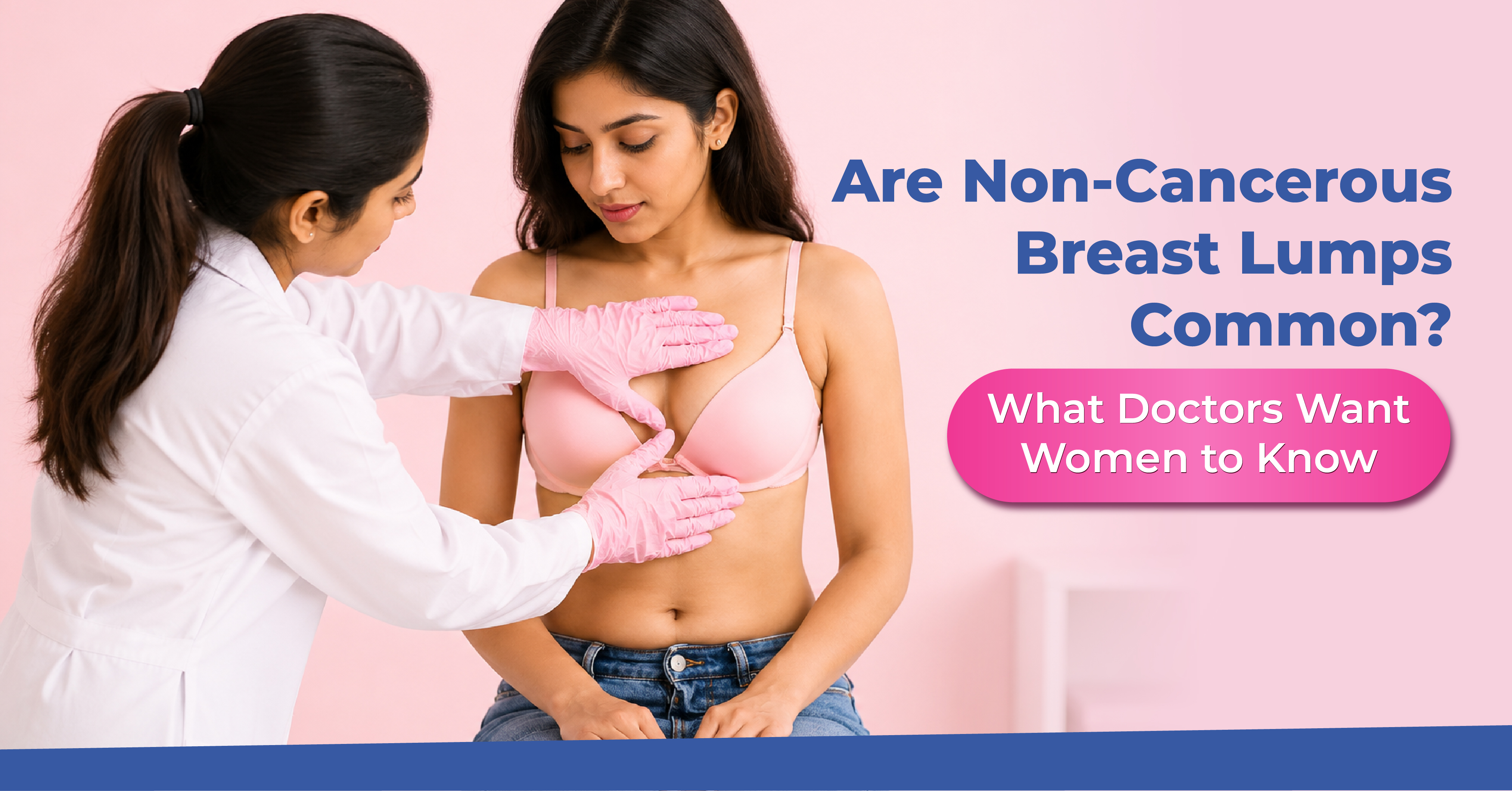
However, persistent pain, unusual lumps, or changes in breast shape should not be ignored. Understanding what constitutes typical changes versus warning signs—and practicing regular Breast Self-Examination Device helps women maintain breast health effectively.
Common Causes of Breast Pain
Breast pain can stem from a variety of factors. Some of the most common include:
Cyclical Hormonal Changes
Many women experience breast pain in the luteal phase of the menstrual cycle due to fluctuating estrogen and progesterone levels. Breast pain before period is typically mild to moderate and resolves after menstruation.
Non-Cyclical Causes
- Injury or trauma: A hit or accident may cause localized tenderness.
- Infections: Mastitis or other breast infections can cause pain and swelling.
- Medication side effects: Certain hormonal contraceptives or fertility drugs may contribute to discomfort.
Lifestyle Factors
Poor-fitting bras, caffeine intake, and stress may aggravate breast tenderness.
Types of Breast Lumps and Their Causes
Not all breast lumps indicate cancer, but any new or unusual lump warrants attention. Common types include:
Fibroadenomas
Benign, smooth, and mobile lumps commonly found in younger women. Usually painless and non-threatening.
Cysts
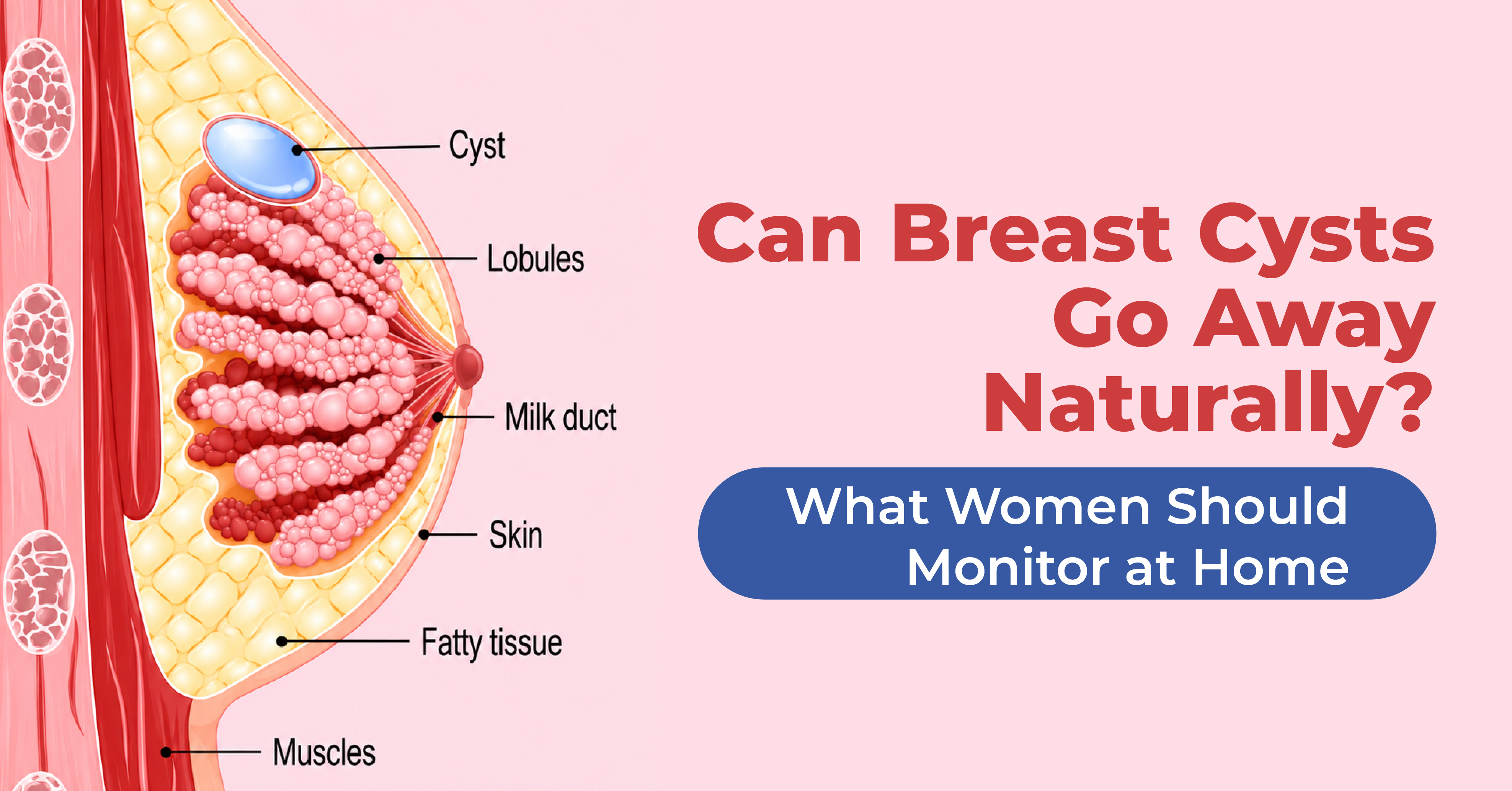
Fluid-filled sacs that may become tender or fluctuate in size during menstrual cycles.
Fibrocystic Changes
Lumpy, tender breasts often linked to hormonal variations. Breast changes during periods are often cyclical and resolve naturally.
Malignant Lumps
Hard, irregular, or fixed lumps may require prompt medical evaluation. Any persistent lump should be checked for safety.
Hormonal Breast Changes and Menstrual Cycles
Hormonal fluctuations influence breast tissue, particularly before menstruation. Common manifestations include:
- Swelling or fullness
- Increased tenderness or pain
- Small lumps or nodules that fluctuate with the cycle
Understanding your cycle can help distinguish between normal hormonal breast pain and symptoms that may indicate an underlying issue.
When Breast Pain Before Period Is Normal
Breast pain before period is usually cyclical, affecting both breasts symmetrically, and often subsides after menstruation. Normal tenderness may be accompanied by mild swelling, heaviness, or tingling sensations.
Signs that suggest medical attention is needed include:
- Pain that persists beyond the menstrual cycle
- Unilateral discomfort
- Noticeable changes in skin texture, nipple discharge, or lump firmness
Red Flags: When to Seek Medical Advice
Although most breast pain and lumps are benign, it’s crucial to recognize warning signs:
- Persistent or worsening pain
- Lumps that are hard, irregular, or fixed
- Nipple discharge or inversion
- Redness, dimpling, or swelling in one breast
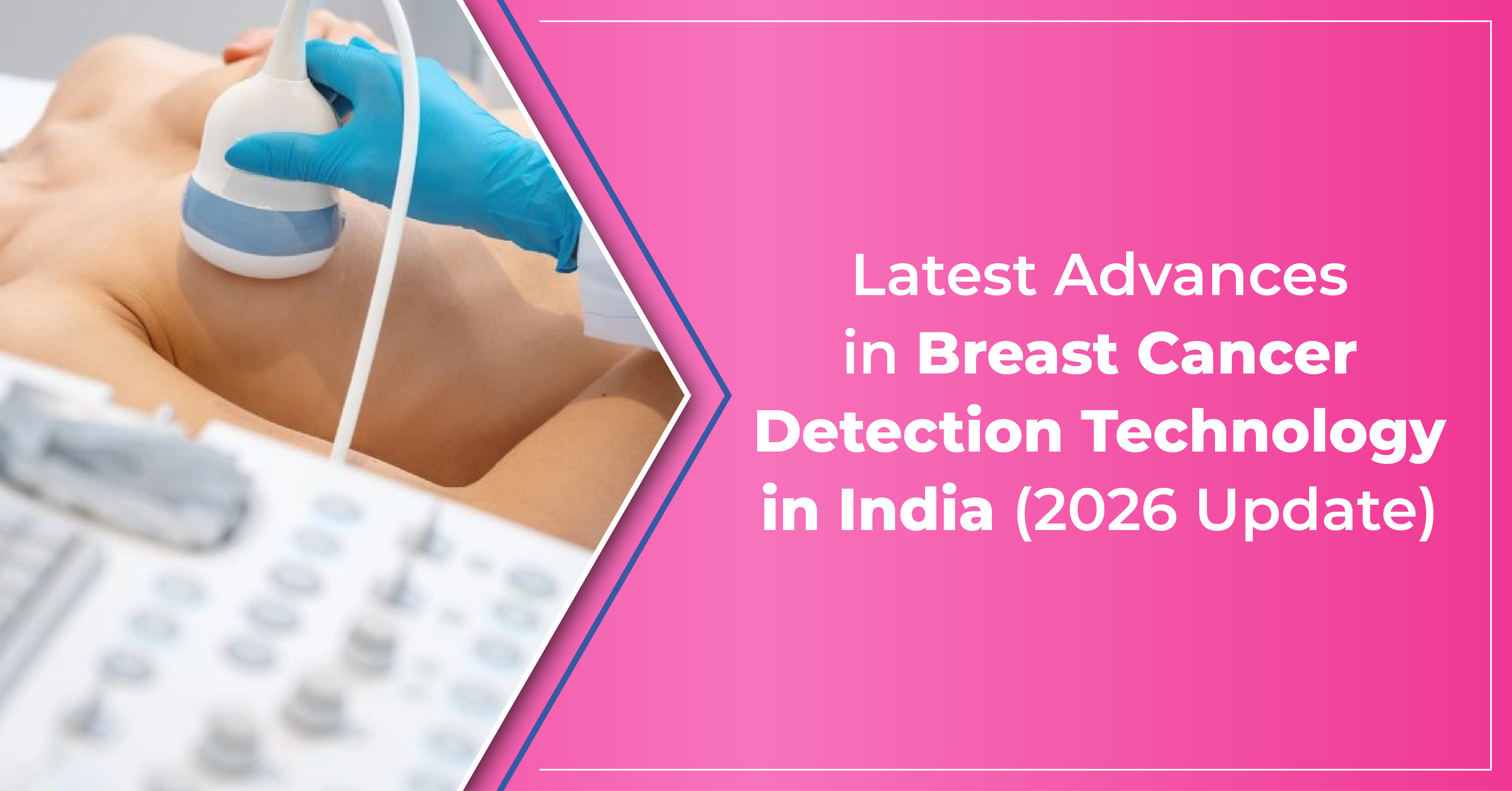
Prompt evaluation can rule out serious conditions. Using a product like Iscan Breast can support early detection by helping track breast changes effectively.
How to Monitor Breast Changes at Home
Monitoring your breasts regularly helps you identify unusual changes early:
- Self-Examination: Perform monthly breast checks, ideally a few days after menstruation.
- Note Patterns: Track any cyclic tenderness or lumps.
- Use Tools: Consider products like Iscan Breast to monitor changes and maintain records.
- Seek Guidance: Any new, persistent, or unusual findings should prompt consultation with a healthcare professional.
Preventive Care and Lifestyle Tips
Supporting breast health involves lifestyle measures alongside awareness:
- Wear well-fitting bras to reduce discomfort
- Maintain a balanced diet rich in antioxidants
- Limit caffeine if it increases tenderness
- Manage stress and prioritize sleep
- Stay physically active to support hormonal balance
Combining lifestyle measures with regular monitoring ensures proactive breast care.
Frequently Asked Questions
Is breast pain normal?
Yes, mild breast pain is common, especially around menstrual cycles. Persistent, severe, or unilateral pain should be evaluated.
What causes breast lumps during menstrual cycles?
Most lumps during periods are benign cysts or fibrocystic changes linked to hormonal fluctuations.
Can hormonal changes cause breast tenderness?
Yes, hormonal shifts in estrogen and progesterone can lead to swelling, tenderness, or mild discomfort.
When should I see a doctor about breast pain?
Consult a doctor if pain is persistent, accompanied by a hard lump, nipple changes, or redness/dimpling.
Conclusion
Breast pain, lumps, and hormonal changes are often normal, especially when they fluctuate with the menstrual cycle. Understanding breast pain causes, monitoring changes, and maintaining a preventive lifestyle are essential for optimal breast health. Tools like iSCANBREAST can assist in early detection and tracking, providing peace of mind and supporting timely medical evaluation when necessary.
