Breast Self Exam vs Clinical Exam vs Mammogram: When Each One Actually Matters
Feb 15, 2026
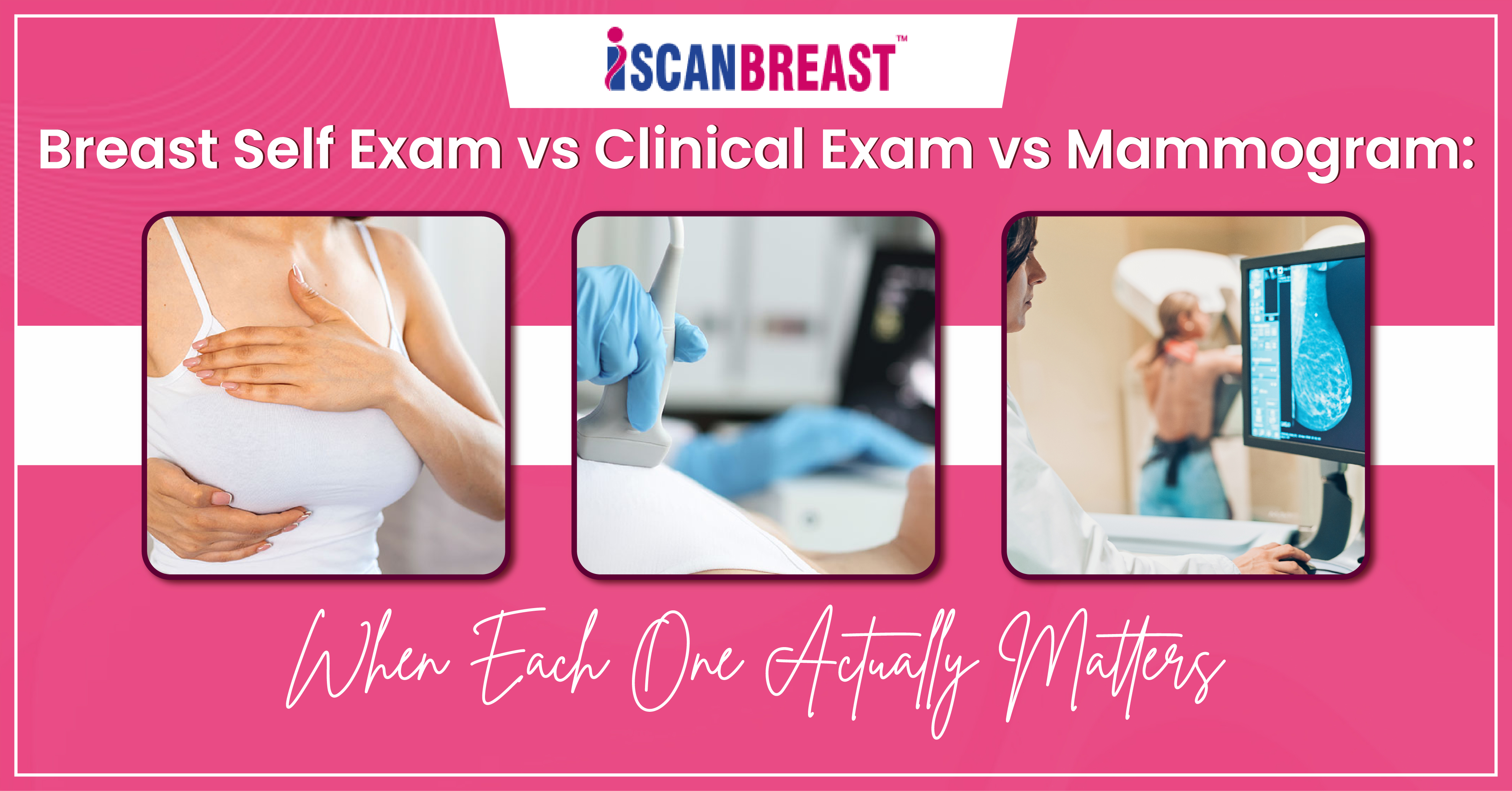
Table of Contents
More from Blog

Feb 15, 2026

Feb 15, 2026

Feb 15, 2026

Feb 15, 2026
Feb 15, 2026
Introduction
Breast self exams, clinical breast exams, and mammogram screening each serve a different purpose in breast health screening—and none should fully replace the others.
This article explains how each breast exam type works, when it is recommended, and how they fit together in early detection of breast cancer. Understanding the difference between self exam and mammogram—and practising regular Breast Self-Examination Device can help women make informed, timely screening decisions without confusion or unnecessary anxiety.
Disease Overview - Understanding Breast Cancer and Early Detection
Breast cancer is one of the most common cancers affecting women worldwide. It develops when breast cells grow abnormally and divide uncontrollably. While some breast cancers are aggressive, many are highly treatable when detected early.
Key factors influencing breast cancer risk:
- Age (risk increases after 40)
- Family history and genetic mutations (e.g. BRCA1/BRCA2)
- Hormonal factors
- Lifestyle and reproductive history
Common early signs:
- New breast lumps or thickening
- Changes in breast size or shape
- Skin dimpling or nipple changes
- Unusual discharge
Early detection of breast cancer significantly improves survival rates, making breast cancer screening methods a critical part of preventive healthcare.
Treatment Overview - Where Screening Fits in Care
Breast cancer treatment depends on cancer type, stage, and individual health factors. Common approaches include:
- Surgery
- Radiotherapy
- Chemotherapy
- Hormonal therapy
- Targeted biological treatments
Screening does not treat cancer, but it plays a crucial role in breast cancer early diagnosis, often identifying disease before symptoms appear—when treatment options are less invasive and outcomes are better.
Breast Exam Types Explained - What Each One Does
Breast Self Exam (BSE)
What it is:
A breast self exam is a monthly self-check performed at home to notice changes in breast tissue.
Breast self examination benefits:
- Encourages body awareness
- Helps women recognise what is normal for them
- May prompt earlier medical review if changes are noticed
Limitations:
A breast self exam cannot detect small or deep tumours and should not be relied on as a standalone screening tool.
Clinical Breast Exam (CBE)
What it is:
A clinical breast exam is a physical examination performed by a trained healthcare professional.
Clinical breast exam importance:
- Identifies lumps that may be missed during self exams
- Assesses lymph nodes and skin changes
- Often part of routine check-ups for women under screening age
CBEs provide an additional layer of assessment but cannot replace imaging-based screening.
Mammogram Screening
What it is:
A mammogram uses low-dose X-rays to detect abnormalities in breast tissue.
Why it matters:
- Detects cancers before symptoms appear
- Identifies microcalcifications invisible to touch
- Reduces breast cancer mortality through early diagnosis
Mammogram age guidelines (UK):
- NHS screening: typically offered every 3 years from age 50 to 71
- Earlier screening may be advised for higher-risk women
How These Screening Methods Work (High-Level Overview)
Breast screening tools differ in how they identify potential abnormalities:
- Breast self exam: Detects surface-level or noticeable physical changes through touch and observation
- Clinical breast exam: Uses trained palpation to assess deeper tissue and surrounding areas
- Mammogram screening: Visualises internal breast structures using imaging technology
Used together, these methods complement one another to improve overall breast health screening effectiveness.
Safety and Usage Overview
All breast cancer screening methods are considered safe when used appropriately.
- Breast self exams: No physical risk
- Clinical exams: Non-invasive and safe
- Mammograms: Use minimal radiation; benefits outweigh risks for recommended age groups
Women with breast implants, pregnancy, or specific health conditions should discuss screening options with their healthcare provider.
Common User Questions (Answer-First Format)
Is a breast self exam enough to detect cancer?
No. While breast self exams promote awareness, they cannot reliably detect early-stage cancer. Imaging-based screening such as mammograms remains essential for accurate early detection.
What is the difference between a self exam and mammogram?
A self exam involves feeling the breasts manually, while a mammogram uses imaging to detect internal abnormalities. Mammograms can identify cancers too small to feel.
When should I get a mammogram?
Most women should begin mammogram screening from age 50, or earlier if advised due to family history or increased risk factors.
FAQ Section - Breast Cancer Screening Methods
-
Are clinical breast exams still recommended?
Yes. Clinical breast exams remain useful, particularly for women under routine mammogram age or those with symptoms.
-
Can mammograms miss cancer?
Occasionally, especially in dense breast tissue. This is why combining screening methods improves detection accuracy.
-
How often should I perform a breast self exam?
Monthly, ideally at the same point in your menstrual cycle.
-
Are mammograms painful?
Some discomfort may occur, but it is brief and generally well tolerated.
-
Do younger women need breast screening?
Routine mammograms are not usually recommended under 40 unless risk factors are present.
Key Takeaways - Self Exam vs Mammogram
- No single screening method is sufficient on its own
- Breast self exams support awareness, not diagnosis
- Clinical breast exams add professional assessment
- Mammogram screening remains the gold standard for early detection
- Combining methods improves breast cancer early diagnosis outcomes
Conclusion
Understanding the role of each breast exam type empowers women to take an active role in their breast health. Breast Self-Examination Device clinical breast exams, and mammogram screening are complementary—not competing—tools in breast cancer screening for women, with devices like the iSCANBREAST Device supporting awareness and early detection between screenings.
For more educational resources on breast health screening and early detection technologies, explore related articles on iscanbreast.com and continue informed conversations with healthcare professionals.
