Breast Care During Perimenopause: Normal Changes vs Warning Signs Explained
Apr 25, 2026
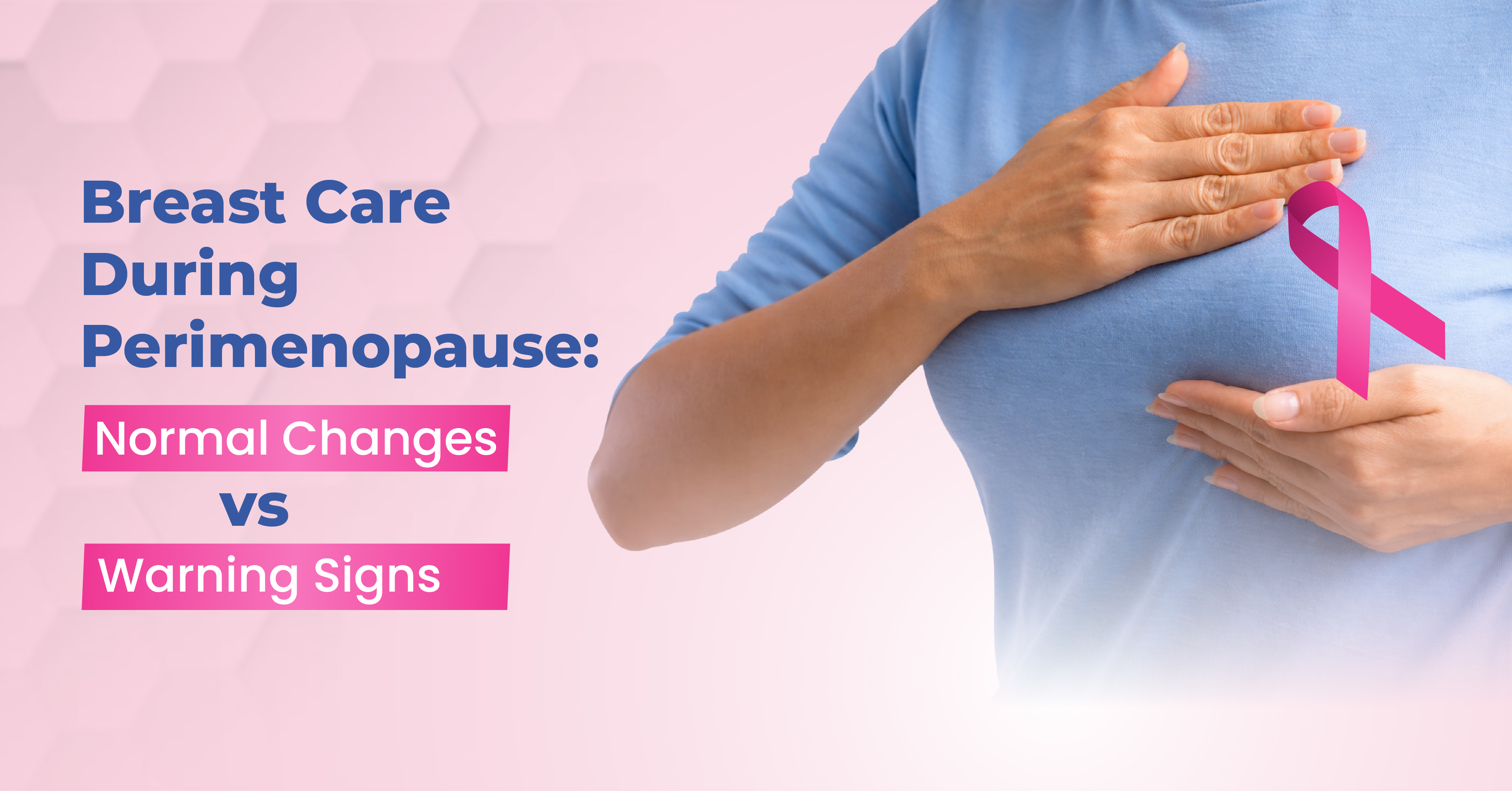
Table of Contents
More from Blog
Apr 25, 2026
Apr 25, 2026
Apr 25, 2026
Apr 25, 2026
Apr 25, 2026
Perimenopause is a natural phase in a woman's life that marks the transition toward menopause. It typically begins in the late 30s or 40s and brings significant hormonal changes-especially fluctuations in estrogen and progesterone levels.
While most women expect symptoms like irregular periods, mood swings, and hot flashes, breast changes during perimenopause are often overlooked or misunderstood. Many women feel anxious when they notice changes in their breasts, unsure whether they are normal or a cause for concern.
Understanding what's normal and what's not is essential for maintaining good breast health. In this blog, we'll explore common breast changes during perimenopause, warning signs to watch for, and how to take care of your breast health during this transition.
What Is Perimenopause?
Perimenopause is the transitional stage before menopause, when the body gradually produces less estrogen. This phase can last anywhere from a few months to several years.
Common Symptoms of Perimenopause:
- Irregular menstrual cycles
- Hot flashes
- Night sweats
- Mood changes
- Sleep disturbances
Hormonal fluctuations during this time also affect breast tissue, leading to noticeable changes.
Why Do Breasts Change During Perimenopause?
Breasts are highly sensitive to hormonal changes. Estrogen and progesterone play a key role in maintaining breast structure and density.
During perimenopause:
- Estrogen levels fluctuate unpredictably
- Glandular tissue decreases
- Fat tissue may increase
These changes can affect the size, shape, and feel of your breasts.
Normal Breast Changes During Perimenopause
Many breast changes during this phase are completely normal and not a cause for concern.
1. Breast Tenderness or Soreness
Hormonal fluctuations can cause breasts to feel tender, especially before periods.
What to expect:
- Mild to moderate discomfort
- Sensitivity to touch
- Temporary pain
2. Changes in Breast Size
Some women may notice an increase or decrease in breast size.
Why it happens:
- Hormonal shifts
- Changes in body weight
- Increase in fatty tissue
3. Lumpiness or Fibrocystic Changes
It's common to feel small lumps or thickened areas.
Characteristics:
- Usually moveable
- May fluctuate with menstrual cycle
- Often non-cancerous
4. Loss of Firmness
Breasts may feel softer or less firm over time.
Reason:
- Reduction in glandular tissue
- Skin elasticity decreases
5. Changes in Skin Texture
You might notice slight changes in the texture or appearance of breast skin.
Warning Signs You Should Not Ignore
While many changes are normal, some symptoms require immediate medical attention.
1. A New, Persistent Lump
- Hard, immovable lump
- Does not change with menstrual cycle
2. Nipple Changes
- Inversion (turning inward)
- Unusual discharge (especially bloody)
3. Skin Changes
- Dimpling or puckering
- Redness or rash
- Thickened skin (like an orange peel)
4. Persistent Pain in One Area
Unlike general soreness, localized pain that doesn't go away should be checked.
5. Sudden Change in Breast Shape or Size
Any unexplained, rapid change should not be ignored.
How to Differentiate Normal Changes from Warning Signs
| Normal Changes | Warning Signs |
|---|---|
| Occur in both breasts | Often affect one breast |
| Fluctuate with hormones | Persistent and progressive |
| Mild discomfort | Severe or localized pain |
| Soft, movable lumps | Hard, fixed lumps |
If you're ever unsure, it's always better to consult a doctor.
Breast Care Tips During Perimenopause
Taking proactive steps can help you maintain healthy breasts during this phase.
1. Perform Regular Self-Exams
Monthly breast self-exams help you become familiar with your body.
Tip:
Check a few days after your period for more accurate results.
2. Schedule Regular Screenings
- Clinical breast exams
- Mammograms (as recommended by your doctor)
Early detection is key to preventing serious conditions.
3. Wear the Right Support
A well-fitted bra can reduce discomfort and provide support.
4. Maintain a Healthy Lifestyle
- Eat a balanced diet
- Exercise regularly
- Maintain a healthy weight
5. Limit Caffeine and Alcohol
These may worsen breast tenderness in some women.
6. Stay Hydrated
Proper hydration supports overall tissue health.
7. Manage Stress
Stress can worsen hormonal imbalance. Practices like yoga and meditation can help.
When to See a Doctor
Do not delay medical consultation if you notice:
- Persistent or unusual lumps
- Changes in nipple appearance
- Unexplained breast pain
- Any of the warning signs mentioned above
Early diagnosis can make a significant difference in treatment outcomes.
Common Myths About Breast Changes During Perimenopause
Myth 1: All lumps are cancerousReality: Most lumps during perimenopause are benign.
Myth 2: Pain means cancerReality: Breast cancer is often painless in early stages.
Myth 3: Screening is not needed until menopauseReality: Screening should begin earlier, especially after 30-40.
Emotional Impact of Breast Changes
Breast changes during perimenopause can also affect emotional well-being.
Women may experience:
- Anxiety about health
- Changes in body image
- Fear of serious illness
Open communication with healthcare providers and support from family can help manage these feelings.
Building a Breast Health Routine
A simple routine can go a long way:
- Monthly self-exams
- Regular doctor visits
- Timely screenings
- Healthy lifestyle habits
Consistency is key to staying proactive.
Conclusion
Breast changes during perimenopause are a natural part of aging, driven by hormonal fluctuations. While many of these changes-like tenderness, lumpiness, and size variations-are normal, it's important to stay alert to warning signs that may indicate a more serious condition.
Understanding the difference between normal changes and potential risks empowers you to take control of your health. Regular self-exams, timely screenings, and a healthy lifestyle are your best practies maintaining breast health.
Remember, when it comes to your health, it's always aware and cautions. If something doesn't feel right, don't hesitate to seek medical advice.
Your body is changing-but with the right knowledge and care, you can navigate perimenopause with confidence and peace of mind.
