Are Non-Cancerous Breast Lumps Common? What Doctors Want Women to Know
Jul 31, 2026

Table of Contents
More from Blog

Jul 31, 2026

Jul 31, 2026
Jul 31, 2026

Jul 31, 2026

Jul 31, 2026
Finding a breast lump can feel worrying for many women. However, doctors often explain that not all breast lumps are cancerous. In fact, non-cancerous breast lumps - also known as benign breast lumps - are relatively common and may occur for several reasons, including hormonal changes, cysts, or natural tissue variations.
Even though many breast lumps are harmless, understanding breast health awareness and recognising changes in breast tissue remain extremely important. Early evaluation by a healthcare professional helps identify the cause of a lump and ensures appropriate medical guidance when needed.
This article explains common breast lump causes, symptoms associated with benign breast lumps, when medical evaluation is important, and why regular breast screening awareness matters for women’s health.
What Are Non-Cancerous Breast Lumps?
Breast tissue naturally changes throughout life due to hormonal fluctuations, age, menstrual cycles, and reproductive health factors.
Are Non-Cancerous Breast Lumps Common?
Yes. Non-cancerous breast lumps are common and may develop because of cysts, fibrocystic breast changes, hormonal fluctuations, or other benign breast conditions.
Understanding Benign Breast Lumps
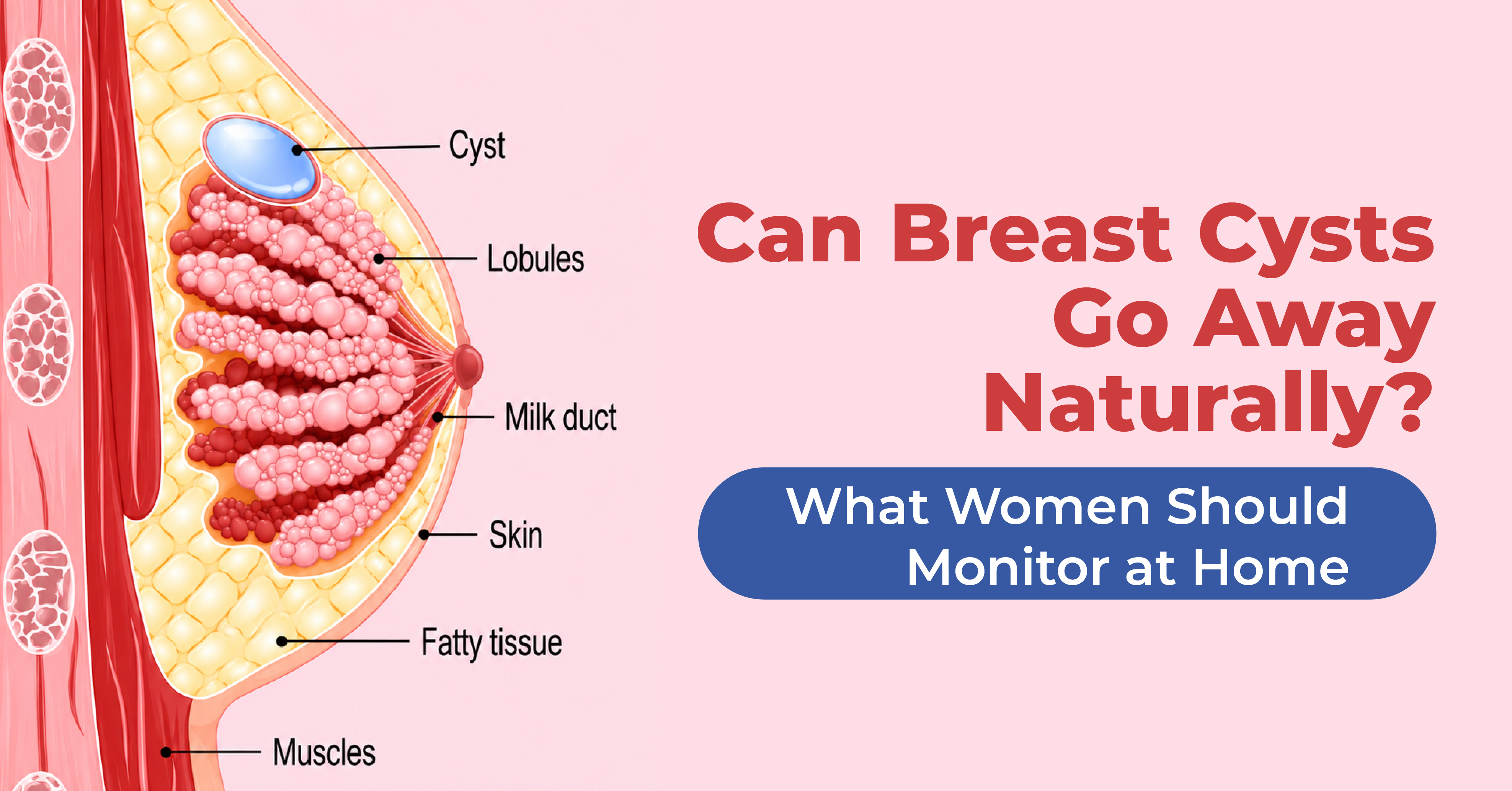
Benign breast lumps are non-cancerous growths or tissue changes that may feel different from surrounding breast tissue.
- Breast cysts
- Fibroadenomas
- Fibrocystic breast changes
- Hormonal tissue swelling
Many women experience temporary or recurring breast tissue changes during different stages of life.
Common Breast Lump Causes
Breast lumps may develop for several non-cancerous reasons.
Hormonal Changes and Breast Tissue
Hormonal fluctuations during menstrual cycles may cause temporary breast swelling, tenderness, or lump-like changes in breast tissue.
Some women notice breast changes
- Before periods
- During periods
- During pregnancy
- Around menopause
These changes are often linked to natural hormonal activity.
Fibrocystic Breast Changes
Fibrocystic breast changes are common and may cause
- Breast tenderness
- Lumpy tissue texture
- Swelling
- Mild discomfort
These changes are generally non-cancerous but may still require medical evaluation if symptoms persist or worsen.
Breast Lump Symptoms Women Should Notice
Not every breast lump feels the same.
Common Symptoms Linked to Benign Breast Lumps
Women may notice
- Soft or firm lumps
- Breast tenderness
- Swelling
- Texture changes
- Lump movement under the skin
- Mild discomfort
Some lumps may change size during the menstrual cycle.
Why Breast Awareness Matters
Regular breast awareness helps women become familiar with their normal breast texture and appearance.
Recognising unusual changes early may support timely medical evaluation and reassurance.
When Should Women Seek Medical Evaluation?
Although many breast lumps are harmless, professional assessment remains important.
Signs That Should Not Be Ignored
Medical evaluation may be recommended if women notice
- A new breast lump
- Persistent swelling
- Skin changes
- Nipple discharge
- Breast shape changes
- Ongoing pain
- Lump growth over time
Healthcare professionals may recommend further assessment depending on symptoms and medical history.
Importance of Breast Screening Awareness
Regular breast screening awareness encourages women to prioritise
- Routine breast examinations
- Mammography when appropriate
- Early detection awareness
- Preventive breast health care
Early evaluation supports better understanding of breast changes and overall women’s health.
How Doctors Evaluate Breast Lumps
Medical assessment helps determine whether a breast lump is benign or requires further investigation.
Common Breast Health Checkup Approaches
Healthcare professionals may recommend
- Physical breast examination
- Imaging tests such as ultrasound or mammography
- Medical history review
- Monitoring tissue changes over time
The evaluation process depends on age, symptoms, and clinical findings.
Why Self-Diagnosis Should Be Avoided
Not all breast lumps can be accurately identified without professional medical assessment.
Women are generally encouraged not to assume that a lump is harmless or dangerous without proper evaluation.
Lifestyle and Breast Health Awareness
Long-term breast health involves more than responding to symptoms alone.
Healthy Habits That Support Women’s Breast Health
Women may benefit from
- Regular medical checkups
- Breast self-awareness
- Healthy lifestyle habits
- Balanced nutrition
- Stress management
- Routine preventive care
Awareness and consistency are important parts of overall women’s wellness.
Emotional Impact of Finding a Breast Lump
Discovering a lump may cause anxiety or fear for many women. Accurate medical information and timely healthcare support may help reduce uncertainty and encourage informed decision-making.
Common User Questions About Breast Lumps
Are all breast lumps cancerous?
No. Many breast lumps are non-cancerous and may be linked to hormonal or benign breast tissue changes.
What are common breast lump causes?
Hormonal fluctuations, cysts, fibroadenomas, and fibrocystic breast changes are common causes.
Can hormonal changes cause breast lumps?
Yes. Hormonal activity may temporarily affect breast tissue texture and tenderness.
When should women get a breast lump checked?
Any new, persistent, or unusual breast change should be medically evaluated.
FAQ’s
What are benign breast lumps?
Benign breast lumps are non-cancerous breast tissue growths or changes.
Are fibrocystic breast changes common?
Yes. Fibrocystic breast changes are common and often linked to hormonal fluctuations.
Can breast lumps change during periods?
Yes. Some breast lumps or swelling may vary with hormonal cycle changes.
Why is breast screening awareness important?
Regular screening and awareness may support early evaluation of breast changes.
Should breast pain always be a concern?
Breast pain can occur for several reasons, but persistent symptoms should be professionally assessed.
Can young women develop non-cancerous breast lumps?
Yes. Benign breast lumps may occur in women of different age groups.
Key Takeaways
- Non-cancerous breast lumps are common
- Hormonal fluctuations may affect breast tissue changes
- Breast health awareness supports early recognition of symptoms
- Benign breast lumps still require professional evaluation
- Regular breast screening awareness is important for women’s health
Conclusion
Discovering a breast lump can naturally feel concerning, but many breast lumps are non-cancerous and may result from hormonal fluctuations, cysts, or other benign breast conditions. Even so, understanding breast health awareness and seeking timely medical evaluation remain essential for supporting long-term women’s health and peace of mind.
Regular breast self-awareness, routine screenings, and attention to unusual changes may help women feel more informed and proactive about their breast health. Early assessment is important not only for reassurance but also for identifying conditions that may require medical attention.
For women seeking support related to breast screening awareness, breast health checkups, and early breast imaging services, iScan Breast Health Services focuses on breast health awareness and advanced screening support designed to encourage early detection and informed women’s healthcare decisions.
Prioritising breast health awareness and regular screening habits may help women feel more confident, informed, and supported in managing their overall wellbeing.
