Breast Health After 30: Essential Screening Habits Every Woman in India Should Know
Apr 15, 2026
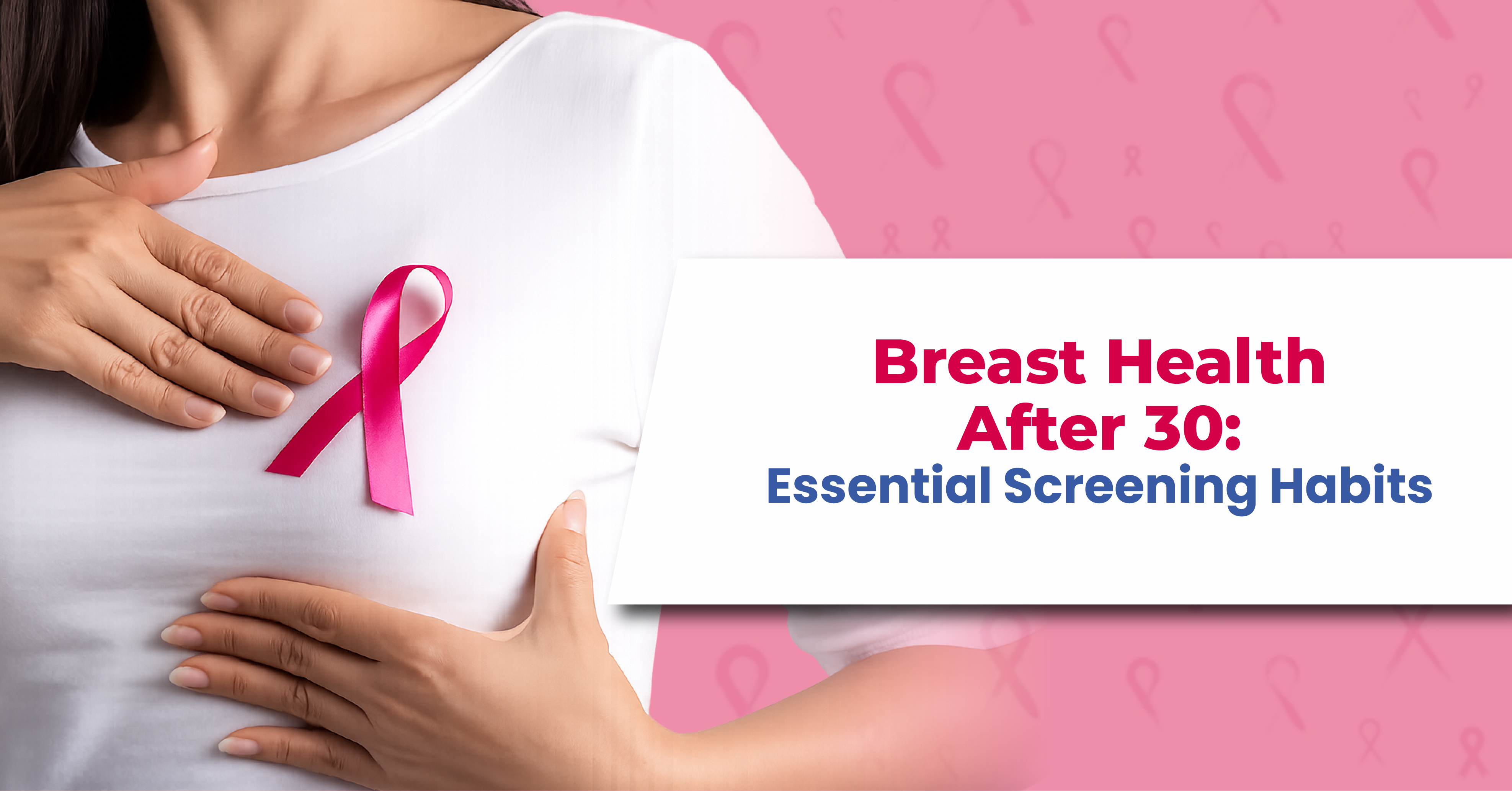
Table of Contents
More from Blog

Apr 15, 2026
Apr 15, 2026
Apr 15, 2026
Apr 15, 2026
Apr 15, 2026
Turning 30 is a significant milestone in a woman's life-not just personally and professionally, but also in terms of health. While many women focus on fitness, diet, and general wellness, breast health is often overlooked until symptoms appear.
In India, awareness around breast health is growing, but many women still delay screenings due to lack of information, fear, or social stigma. However, early detection plays a crucial role in preventing serious complications, including breast cancer.
This blog will guide you through essential screening habits, lifestyle tips, and preventive measures to help you take control of your breast health after 30.
Why Breast Health Matters After 30
As women age, hormonal changes begin to influence breast tissue. After the age of 30, the risk of developing breast-related conditions-including cysts, fibroadenomas, and breast cancer-gradually increases.
Key Reasons to Be Proactive:
- Hormonal fluctuations can lead to changes in breast tissue
- Increased risk of benign and malignant lumps
- Lifestyle factors like stress, diet, and inactivity play a role
- Family history may start showing its impact
In India, breast cancer is one of the most common cancers among women, and unfortunately, many cases are diagnosed at a later stage due to lack of regular screening.
Understanding Common Breast Changes
Not all breast changes are dangerous, but being aware of what's normal and what's not is essential.
Normal Changes:
- Mild tenderness during menstrual cycles
- Slight size or texture variation
- Temporary lumpiness due to hormonal changes
Warning Signs to Watch:
- A new lump or thickened area
- Persistent pain in one area
- Changes in breast shape or size
- Nipple discharge (especially bloody)
- Skin changes like dimpling or redness
If you notice any of these symptoms, consult a doctor immediately.
Essential Breast Screening Habits After 30
Developing consistent screening habits can make a life-saving difference.
1. Monthly Breast Self-Examination (BSE)
One of the simplest and most accessible ways to become familiar with your breasts is regular self-examination
How to Do It:
- Stand in front of a mirror and check for visible changes
- Use your fingers to feel for lumps while lying down
- Cover the entire breast area, including underarms
When to Do It:
- 5-7 days after your menstrual cycle ends (when breasts are least tender)
This habit helps you become familiar with your body, making it easier to detect unusual changes early.
2. Clinical Breast Examination (CBE)
A clinical breast exam is performed by a healthcare professional.
Recommended Frequency:
- Once every 1-3 years after age 30
- More frequently if you have risk factors
Doctors are trained to detect abnormalities that may not be noticeable during self-exams.
3. Mammography Screening
Mammography is an X-ray imaging technique used to detect early signs of breast cancer.
When to Start:
- Generally recommended after age 40
- Earlier if there is a family history or high risk
In India, awareness about mammograms is still limited, but they are one of the most effective practice for early detection.
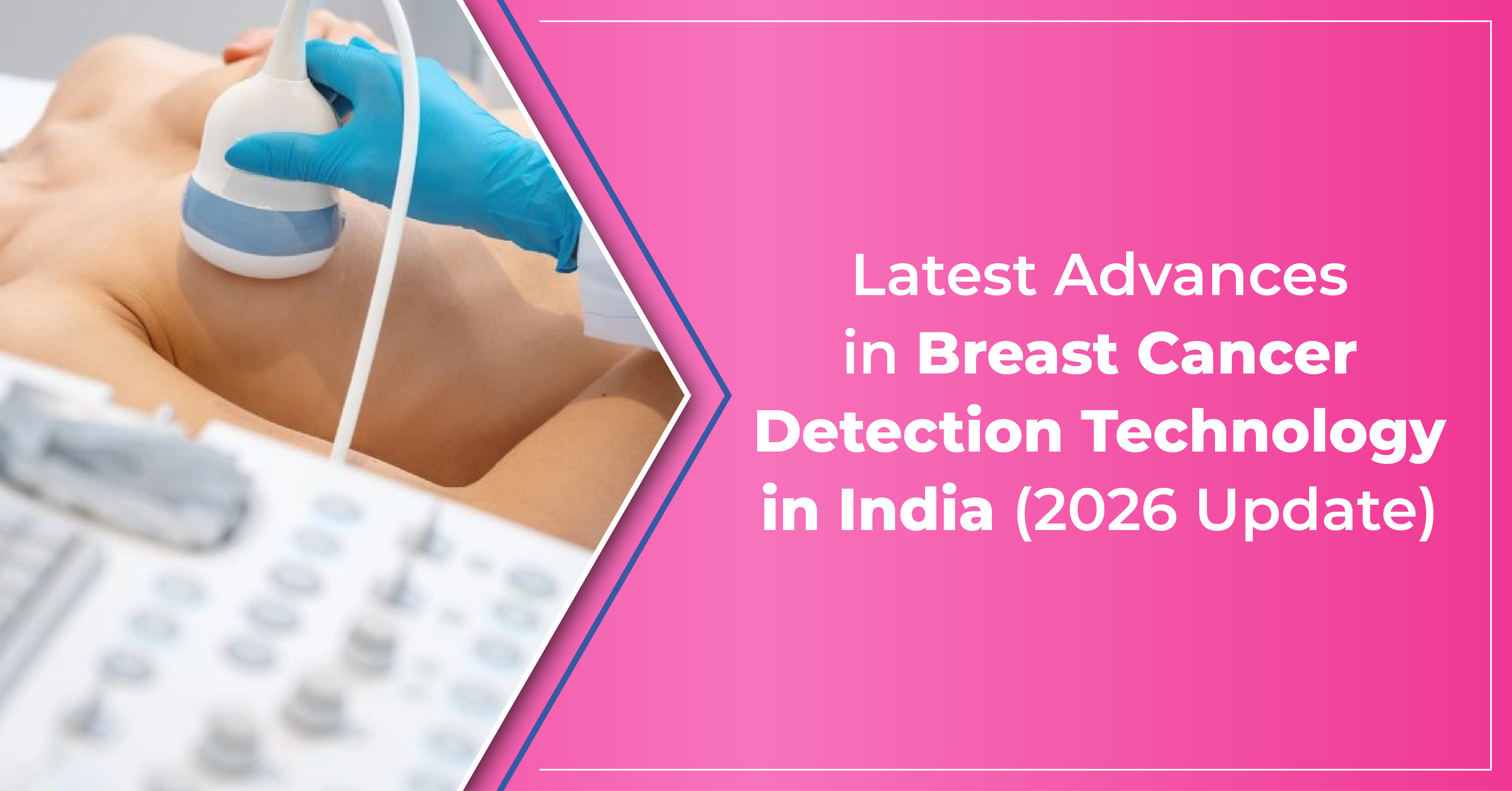
4. Ultrasound Screening
Breast ultrasounds are often used for younger women with dense breast tissue.
Benefits:
- Helps differentiate between solid lumps and fluid-filled cysts
- Often used as a follow-up to mammograms
Risk Factors Every Woman Should Know
Understanding your risk level helps in planning better screening strategies.
Common Risk Factors:
- Family history of breast cancer
- Hormonal imbalances
- Obesity
- Sedentary lifestyle
- Alcohol consumption
- Late pregnancy or no pregnancy
While some factors cannot be controlled, lifestyle changes can significantly reduce risk.
Lifestyle Habits for Better Breast Health
Prevention is just as important as screening. Here are some habits to adopt:
1. Maintain a Healthy Weight
Excess body fat can increase estrogen levels, raising the risk of breast cancer.
2. Stay Physically Active
Aim for at least 30 minutes of exercise daily to improve overall health and reduce risk.
3. Eat a Balanced Diet
Include:
- Fruits and vegetables
- Whole grains
- Healthy fats
Avoid excessive processed and sugary foods.
4. Limit Alcohol Consumption
Alcohol has been linked to an increased risk of breast cancer.
5. Manage Stress
Chronic stress can impact hormonal balance. Practices like yoga and meditation can help.
Breast Health Challenges in India
Despite growing awareness, several challenges still exist:
1. Lack of Awareness
Many women are unaware of the importance of regular screening.
2. Social Stigma
Cultural taboos often prevent open discussions about breast health.
3. Limited Access to Healthcare
In rural areas, access to screening facilities is limited.
4. Late Diagnosis
Many cases are detected at advanced stages, reducing treatment success rates.
Addressing these challenges requires education, awareness campaigns, and better healthcare access.
When Should You See a Doctor?
Do not ignore symptoms or delay consultation. Seek medical advice if:
- You detect a new lump
- Pain persists without a clear reason
- There are visible changes in the breast
- You have a strong family history
Early consultation can prevent complications and ensure timely treatment.
Myths About Breast Health
Let's clear some common misconceptions:
Myth 1: Only older women get breast cancerReality: It can occur at any age.
Myth 2: Pain always means cancerReality: Most breast pain is not cancer-related.
Myth 3: If there's no family history, you're safeReality: Many cases occur without family history.
Creating a Personal Breast Health Routine
A simple routine can make a big difference:
- Monthly self-exams
- Annual or periodic doctor check-ups
- Timely imaging tests when recommended
- Healthy lifestyle habits
Consistency is key to long-term health.
Conclusion
Breast health after 30 should be a priority for every woman in India. With increasing cases of breast-related conditions, early detection and preventive care are more important than ever.
By adopting simple habits like regular self-exams, clinical screenings, and a healthy lifestyle, you can take control of your well-being and reduce risks significantly.
Remember, awareness is the first step toward prevention. Don't wait for symptoms-start your breast health routine today and encourage the women around you to do the same.
