Breast Pain Explained: When It’s Normal and When to See a Doctor
Jun 08, 2026
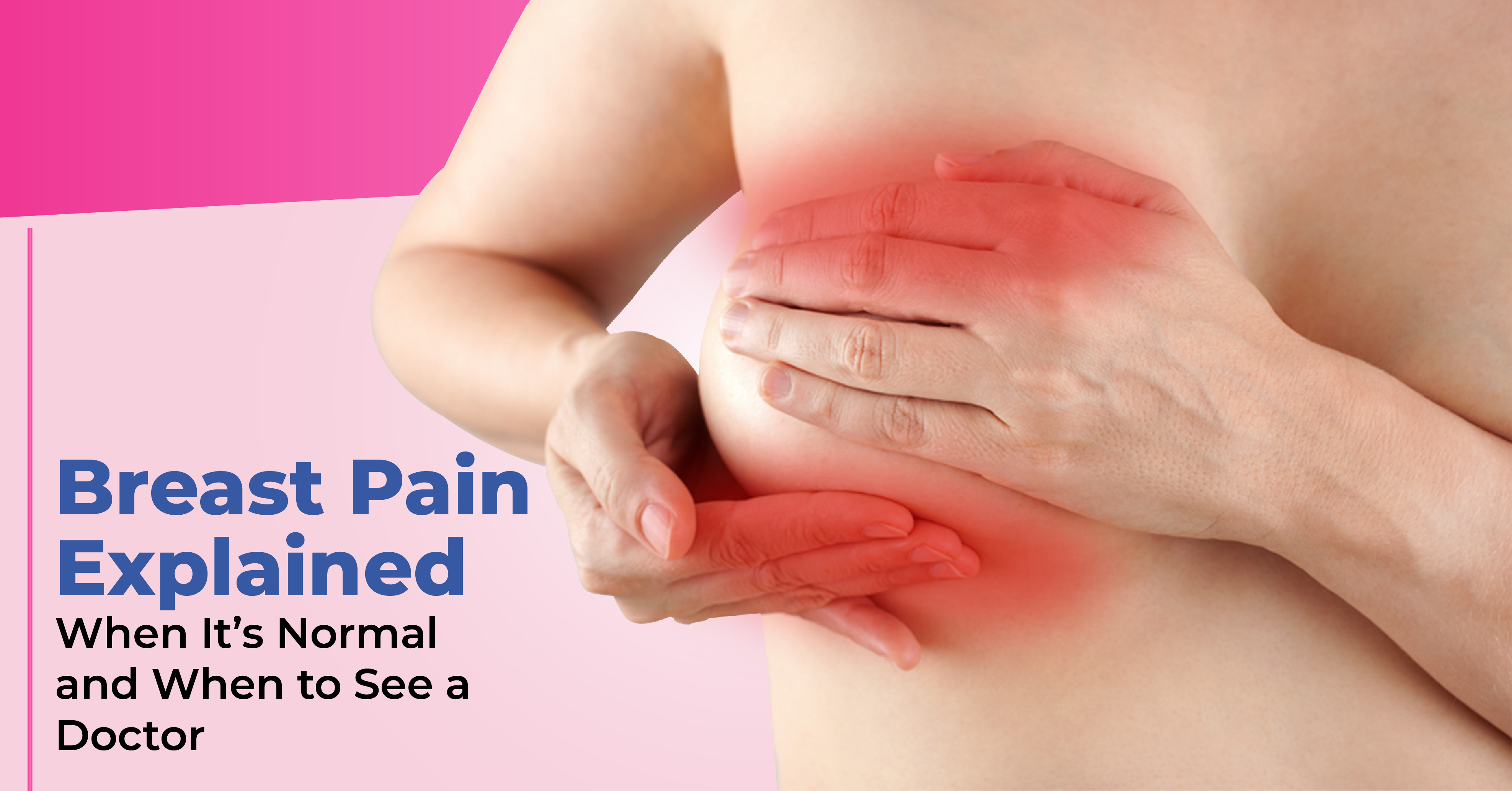
Table of Contents
More from Blog
Jun 08, 2026
Jun 08, 2026
Jun 08, 2026
Jun 08, 2026
Jun 08, 2026
Breast pain is something many women experience at some point in their lives, yet it often causes unnecessary worry.
A slight tenderness before your period, a sharp twinge during a workout, or a persistent ache-these sensations can feel alarming, especially when you're unsure what they mean.
The good news is that most breast pain is completely normal and not linked to serious conditions.
In fact, it's often related to hormonal changes, lifestyle factors, or temporary physical strain.
However, understanding when breast pain is harmless-and when it needs medical attention-is essential for peace of mind and early care if needed.
What Is Breast Pain?
Breast pain, medically known as mastalgia, refers to any discomfort, tenderness, or aching sensation in the breast area.
It can affect one or both breasts and may vary in intensity.
For some women, the pain is mild and occasional, while for others it may feel more noticeable or persistent.
The nature of the pain can also differ-it may feel sharp, burning, throbbing, or heavy.
Understanding the type and pattern of your breast pain is the first step in identifying its cause.
Common Causes of Breast Pain
Breast pain can arise from a variety of reasons, most of which are not serious.
Hormonal fluctuations are the most common cause.
Changes in estrogen and progesterone levels during the menstrual cycle can lead to swelling, tenderness, and sensitivity in the breasts.
Lifestyle factors can also contribute.
Wearing an ill-fitting bra, engaging in high-impact exercise without proper support, or consuming excess caffeine may trigger discomfort.
In some cases, breast pain may be linked to muscle strain in the chest wall, especially after physical activity.
Certain medications, including hormonal treatments, may also cause breast tenderness as a side effect.
Understanding these causes can help reduce unnecessary anxiety.
Cyclical vs Non-Cyclical Breast Pain
Breast pain is often categorized into two main types: cyclical and non-cyclical.
Cyclical Breast Pain
This type of pain is linked to your menstrual cycle.
It typically occurs in both breasts and is most noticeable in the days leading up to your period.
The pain may feel like heaviness or soreness and usually improves once your period begins.
Cyclical pain is very common and generally not a cause for concern.
Non-Cyclical Breast Pain
Non-cyclical pain is not related to your menstrual cycle.
It may occur in one breast and can feel sharp or localized.
This type of pain may be caused by factors such as injury, muscle strain, or underlying conditions.
While it is often harmless, persistent non-cyclical pain may require further evaluation.
When Breast Pain Is Considered Normal
In many cases, breast pain is a natural response to hormonal changes.
Mild to moderate discomfort before your period is completely normal and usually resolves on its own.
Temporary soreness due to physical activity or minor injury is also common.
Breast tenderness during certain life stages-such as puberty, pregnancy, or perimenopause-is another normal occurrence.
As long as the pain is predictable, short-lived, and not accompanied by unusual symptoms, it is generally not a cause for concern.
Warning Signs You Should Not Ignore
While most breast pain is harmless, there are certain signs that should prompt medical attention.
Persistent pain that does not improve over time or occurs in a specific area should be evaluated.
Pain accompanied by a lump, swelling, or changes in breast shape requires immediate attention.
Other warning signs include nipple discharge, redness, skin changes, or a feeling of warmth in the breast.
It's important to listen to your body and seek medical advice if something feels unusual or concerning.
How to Manage Breast Pain Naturally
Managing breast pain often involves simple lifestyle adjustments.
Wear Proper Support
A well-fitted bra provides adequate support and can significantly reduce discomfort, especially during physical activity.
Reduce Caffeine Intake
Some women find that limiting caffeine helps reduce breast tenderness.
Apply Warm or Cold Compress
Using a warm compress can relax muscles, while a cold compress can reduce inflammation and swelling.
Maintain a Balanced Diet
Eating a diet rich in nutrients supports hormonal balance and overall health.
Stay Active
Regular exercise helps regulate hormones and improve circulation, which may reduce discomfort.
The Role of Hormones in Breast Pain
Hormones play a central role in breast health.
Fluctuations in estrogen and progesterone can cause the breast tissue to retain fluid and become more sensitive.
This is why many women experience tenderness before their periods.
Understanding your cycle and tracking symptoms can help you anticipate and manage these changes more effectively.
When Should You See a Doctor?
It's important to seek medical advice if breast pain is severe, persistent, or unusual.
If the pain interferes with your daily activities or sleep, or if it is accompanied by other symptoms such as lumps or discharge, a doctor's evaluation is necessary.
Early consultation can help rule out serious conditions and provide appropriate treatment if needed.
FAQs
Is breast pain a sign of cancer?
Most breast pain is not related to cancer.
However, persistent or unusual pain should be evaluated by a doctor.
Why did my breasts hurt before my period?
Hormonal changes during your menstrual cycle can cause swelling and tenderness.
Can stress cause breast pain?
Yes, stress can affect hormone levels, which may contribute to breast discomfort.
How long does breast pain last?
Cyclical pain usually lasts a few days and improves after your period begins.
What helps relieve breast pain quickly?
Wearing a supportive bra, applying compresses, and reducing caffeine can help ease discomfort.
Conclusion
Breast pain is a common experience that can feel concerning but is often completely normal.
In most cases, it is linked to hormonal changes, lifestyle factors, or temporary physical strain.
Understanding your body and recognizing patterns in your symptoms can help you differentiate between normal discomfort and signs that need attention.
By taking simple steps to manage pain and staying aware of any unusual changes, you can maintain both your comfort and your peace of mind.
Your health is about awareness, not fear-and knowing when to seek help is a powerful part of that.
