False Alarms in Breast Screening: Understanding Accuracy, Risks, and Next Steps
Mar 18, 2026
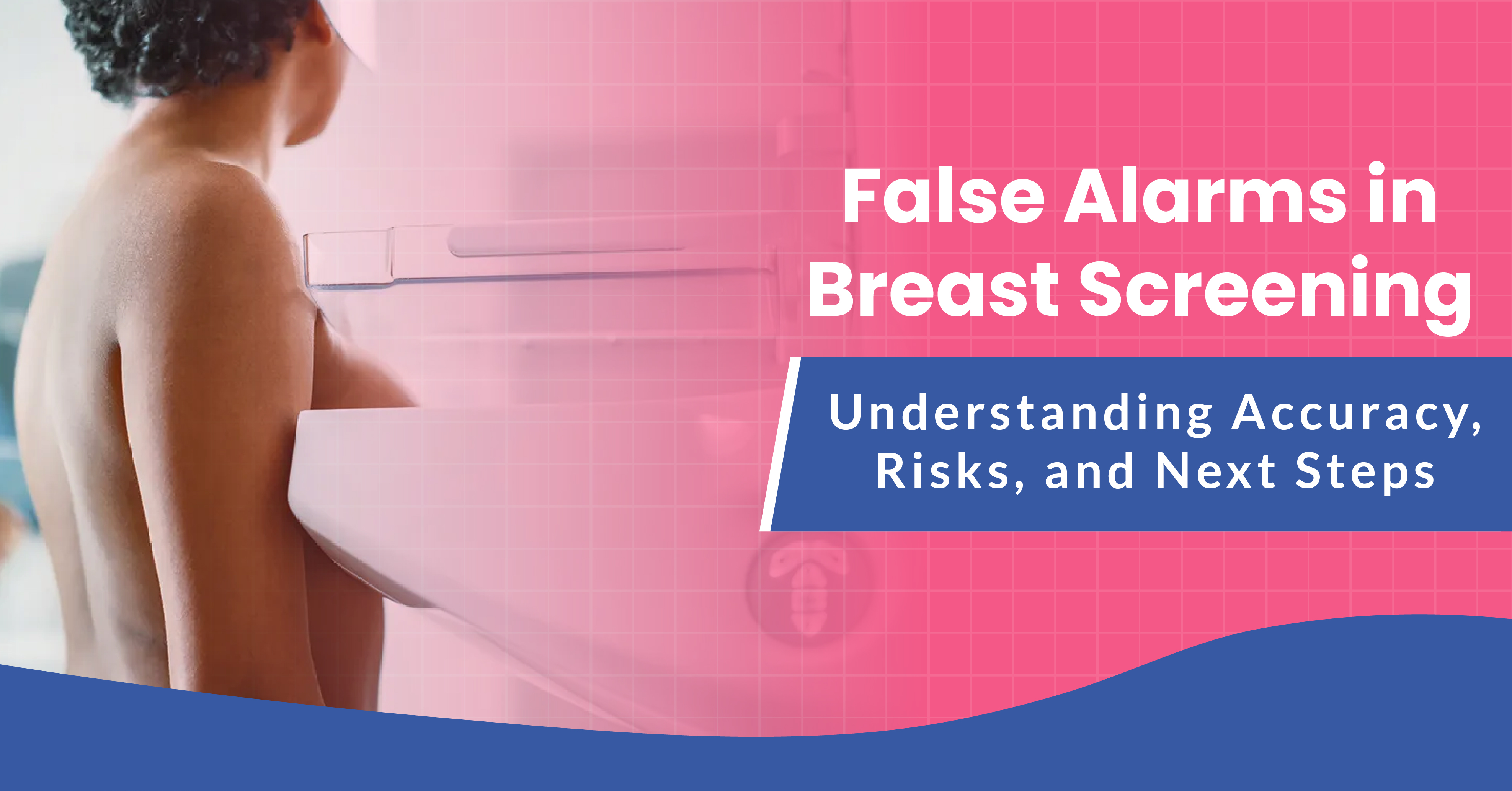
Table of Contents
More from Blog

Mar 18, 2026

Mar 18, 2026
Mar 18, 2026

Mar 18, 2026
Mar 18, 2026
Breast cancer screening saves lives. But what happens when a test says something might be wrong — and later it turns out everything is fine
This situation is called a false alarm, or a false positive, in breast screening. It can cause fear, stress, and confusion. Many women experience sleepless nights while waiting for follow-up tests.
The good news? False alarms are common, and most do not mean cancer.
In this guide, you’ll learn what false alarms in breast screening really mean, how often they happen, why they occur, and what steps to take next. We’ll also cover the emotional impact and how to lower your risk of unnecessary worry.
What Are False Alarms in Breast Screening?
A false alarm in breast screening happens when a screening test suggests possible breast cancer, but further testing shows there is no cancer.
The most common screening test is a mammogram. A mammogram is an X-ray image of the breast used to detect early signs of cancer.
If a mammogram shows something unusual — such as a lump, calcifications (tiny calcium deposits), or dense tissue — doctors may call you back for more tests.
In many cases, those findings turn out to be harmless.
According to the World Health Organization, early detection improves survival rates. However, no screening test is 100% accurate.
Key Point:
A false positive does not mean a mistake was made. It means the test detected something that looked suspicious but was not cancer.
How Accurate Are Mammograms?
Mammograms are the gold standard for breast cancer screening.
According to the Centers for Disease Control and Prevention:
- Mammograms detect about 87% of breast cancers.
- About 10% of women are called back after screening.
- Most call-backs do not result in a cancer diagnosis.
Understanding Screening Accuracy
| Term | What It Means | What It Means for You |
|---|---|---|
| True Positive | Cancer is correctly detected | Early treatment begins |
| False Positive | Test suggests cancer, but none is present | More tests needed |
| False Negative | Cancer is present but missed | Cancer may grow undetected |
| Sensitivity | Ability to detect cancer | Higher is better |
| Specificity | Ability to rule out non-cancer | Higher means fewer false alarms |
Over 10 years of annual screening, studies suggest that about 50–60% of women may experience at least one false positive result.
That sounds scary — but remember: this also means screening is carefully designed to avoid missing cancer.
Why Do False Positives Happen?
False alarms in breast screening happen for several reasons.
1. Dense Breast Tissue
Women with dense breasts have more glandular tissue than fat. Dense tissue appears white on a mammogram — just like tumors — making it harder to interpret.
2. Benign (Non-Cancerous) Conditions
Common harmless conditions include:
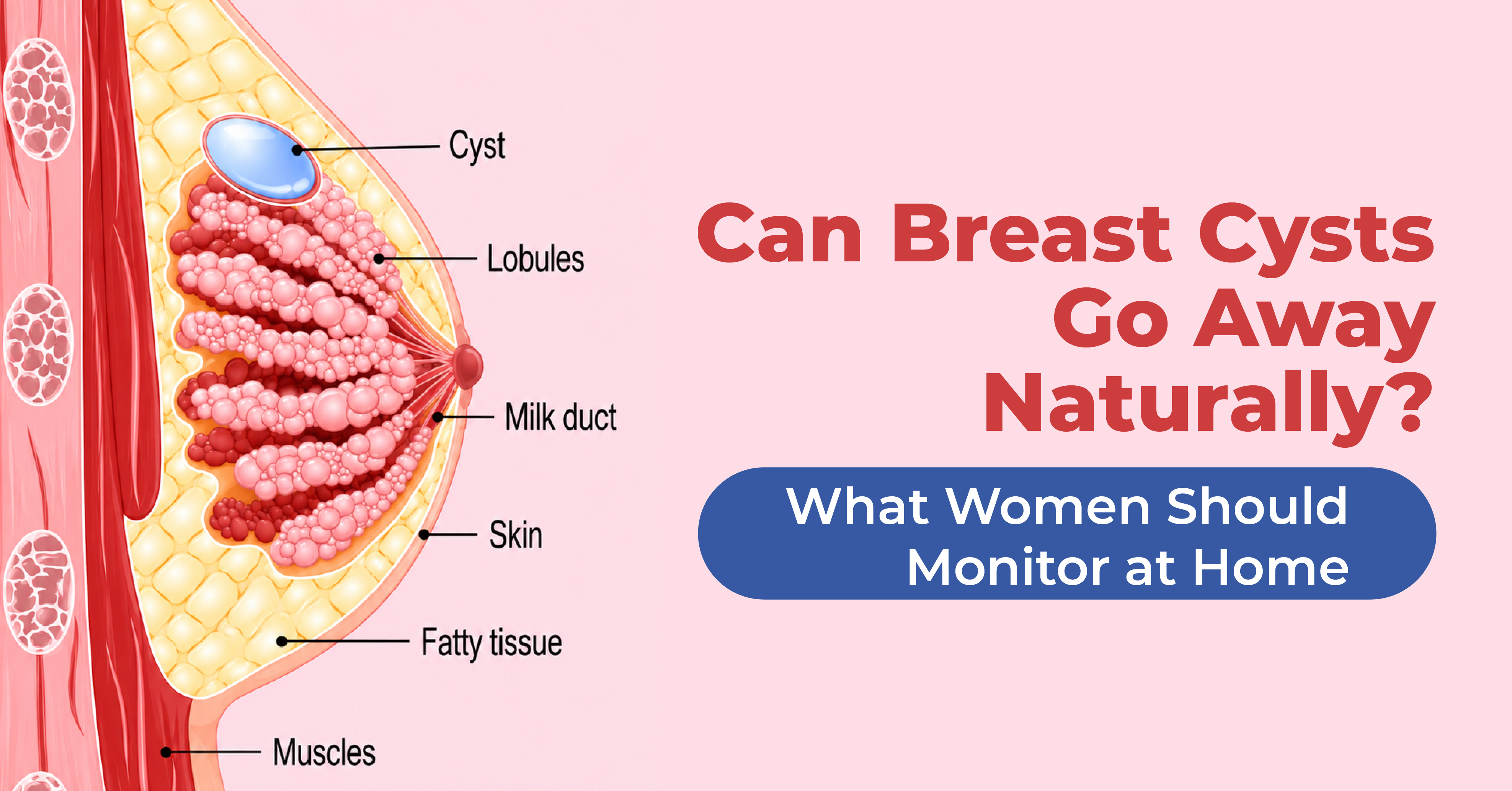
- Cysts (fluid-filled sacs)
- Fibroadenomas (solid, non-cancerous lumps)
- Scar tissue
- Hormonal changes
3. First Mammogram
If there are no previous images for comparison, doctors may be more cautious.
4. Younger Age
Younger women tend to have denser breasts, increasing the chance of abnormal mammogram results.
5. Technical Factors
Image clarity, positioning, or overlapping tissue can create suspicious shadows.
What Happens After an Abnormal Mammogram?
Getting called back does not mean you have cancer.
Here’s what usually happens:
Step 1: Diagnostic Mammogram
A more detailed mammogram focuses on the suspicious area.
Step 2: Breast Ultrasound
Uses sound waves to check whether a lump is solid or fluid-filled.
Step 3: MRI (Sometimes)
A breast MRI may be recommended for high-risk women.
Step 4: Biopsy (If Needed)
A small tissue sample is taken and tested.
According to the National Cancer Institute, only about 20% of breast biopsies performed after screening show cancer
That means 80% are benign.
Emotional and Physical Risks of False Alarms
Even when results turn out normal, the experience can be stressful.
Emotional Effects:
- Anxiety
- Sleeplessness
- Fear of cancer
- Ongoing worry about future tests
Some women report stress lasting months after a false positive mammogram.
Physical Risks:
- Additional radiation exposure (minimal but present)
- Biopsy discomfort
- Rare complications like infection
Still, experts agree that the benefits of early detection outweigh these risks for most women.
False Positive vs. True Positive: Key Differences
| Feature | False Positive | True Positive |
|---|---|---|
| Cancer Present? | No | Yes |
| Additional Testing Needed? | Yes | Yes |
| Treatment Required? | No | Yes |
| Emotional Stress | High | High |
| Outcome | Relief after testing | Cancer care plan |
Understanding this difference helps reduce panic after a call-back.
How to Reduce Your Risk of a False Alarm
You cannot completely prevent false positives. But you can reduce unnecessary stress.
1. Keep Previous Mammogram Records
Comparison images help radiologists spot real changes.
2. Schedule Screening at the Right Time
Avoid the week before your period when breasts may be tender or swollen.
3. Inform the Technician
Tell them about:
- Hormone therapy
- Breast implants
- Previous biopsies
- Family history of breast cancer
4. Ask About 3D Mammography
Digital breast tomosynthesis (3D mammogram) may lower false positive rates.
5. Understand Your Risk Level
Women with a strong family history may need tailored screening plans.
The Mayo Clinic advises discussing personal risk factors with your doctor.
When Should You See a Doctor?
Even if your screening was normal, see a doctor if you notice:
- A new breast lump
- Nipple discharge (especially bloody)
- Skin dimpling
- Persistent breast pain in one area
- Changes in breast size or shape
Screening is important, but it does not replace being aware of your body.
Are False Alarms Worth the Risk?
This is a common question.
Public health experts, including the U.S. Preventive Services Task Force, recommend routine screening because it reduces breast cancer deaths.
Yes, false alarms are stressful.
But early detection can:
- Catch cancer before symptoms appear
- Reduce the need for aggressive treatment
- Improve survival rates
For most women, the benefits outweigh the temporary anxiety of additional testing.
Frequently Asked Questions
1. How common are false alarms in breast screening?
About 1 in 10 women are called back after a mammogram. Most do not have cancer.
2. Does a false positive mean my doctor made a mistake?
No. It means the test found something suspicious that needed further checking.
3. Are dense breasts more likely to cause false alarms?
Yes. Dense breast tissue makes mammograms harder to interpret.
4. Is radiation from extra mammograms dangerous?
Radiation exposure is very low. The risk is minimal compared to the benefit of screening.
5. How long does it take to get follow-up results?
Usually within a few days to a week, depending on the test.
Conclusion: Staying Informed Reduces Fear
False alarms in breast screening are common — and they are part of how modern screening protects women.
An abnormal mammogram does not mean you have cancer. It means doctors are being careful.
Understanding screening accuracy, knowing what happens next, and talking openly with your healthcare provider can ease anxiety and help you make confident decisions.
If you ever feel unsure, ask questions. You deserve clear answers about your health.
Important Disclaimer
This content is for informational purposes only and does not replace professional medical advice. Always consult your healthcare provider regarding screening decisions, abnormal results, or personal risk factors.
