Family History vs Lifestyle: Which Factors Truly Increase Breast Cancer Risk?
Apr 20, 2026
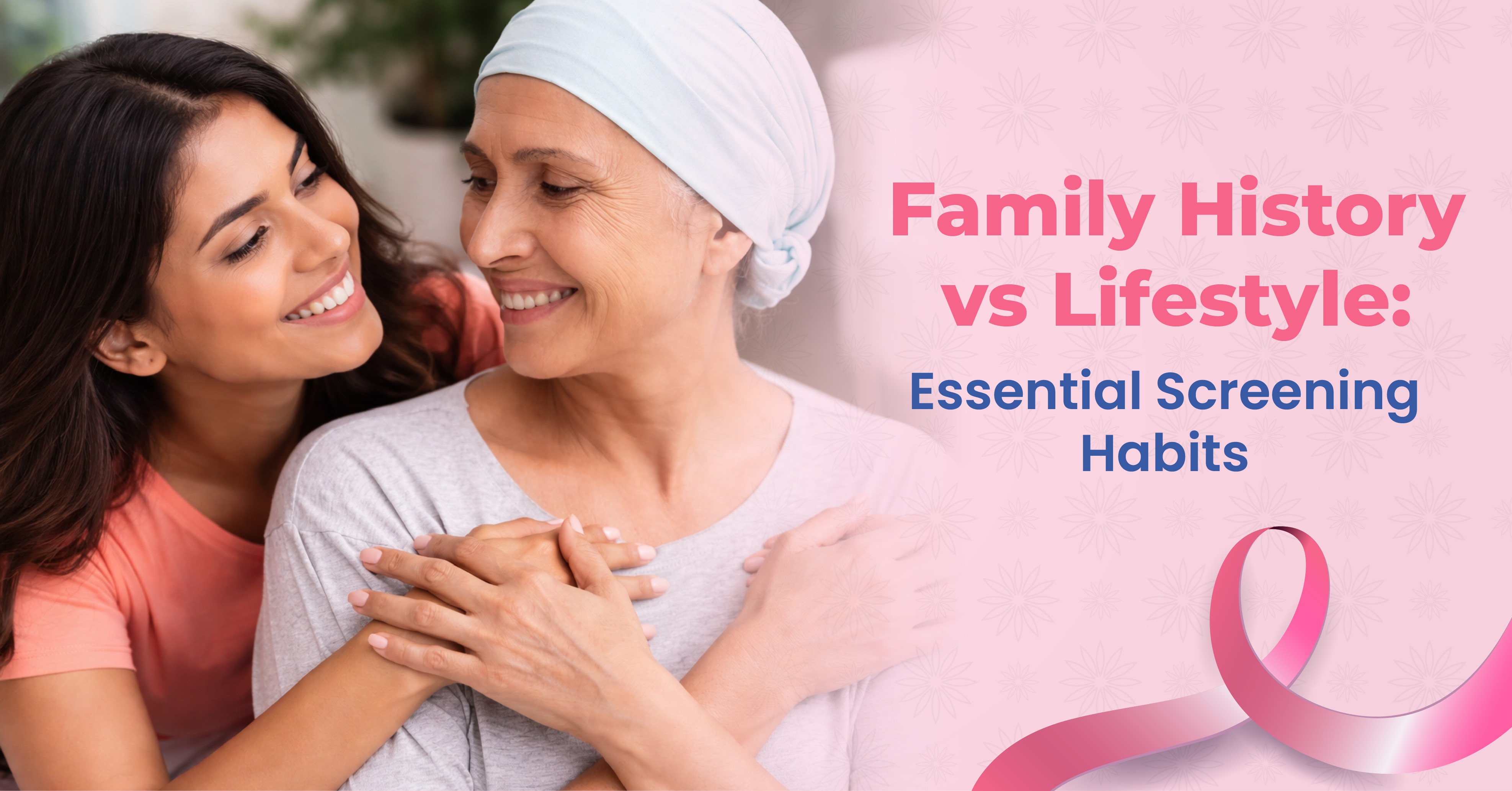
Table of Contents
More from Blog
Apr 20, 2026
Apr 20, 2026
Apr 20, 2026
Apr 20, 2026
Apr 20, 2026
Breast cancer is one of the most common health concerns among women worldwide, including in India. With rising awareness, a common question many people ask is: What actually increases the risk more-family history or lifestyle?
While some women believe that having no family history means they are safe, others worry excessively if a relative has had breast cancer. The truth lies somewhere in between. Both genetic and lifestyle factors play a role, but their impact varies from person to person.
Understanding Breast Cancer Risk Factors
A risk factor is anything that increases your likelihood of developing a disease. For breast cancer, these factors fall into two main categories:
1. Non-Modifiable Factors
These are factors you cannot change, such as:
- Age
- Genetics
- Family history
- Hormonal history
2. Modifiable Factors
These include lifestyle choices you can control:
- Diet
- Physical activity
- Alcohol consumption
- Body weight
- Stress levels
Understanding both types helps you take a balanced and informed approach to prevention.
Role of Family History in Breast Cancer Risk
Family history is often seen as the most significant risk factor-but how much does it actually matter?
What Counts as Family History?
You are considered at higher risk if:
- A first-degree relative (mother, sister, daughter) has had breast cancer
- Multiple family members are affected
- Diagnosis occurred at a young age
Genetic Mutations
Certain inherited gene mutations, such as BRCA1 and BRCA2, significantly increase the risk of breast cancer.
How Much Risk Does It Add?
- Having one first-degree relative can double your risk
- However, only about 5-10% of breast cancer cases are hereditary
This means that while family history is important, it is not the sole determining factor.
Lifestyle Factors and Their Impact
Interestingly, a large percentage of breast cancer cases are linked to lifestyle and environmental factors.
1. Diet and Nutrition
A diet high in processed foods, sugar, and unhealthy fats can increase inflammation and hormone imbalance.
2. Physical Inactivity
Lack of exercise is a major contributor to obesity, which is linked to higher breast cancer risk.
3. Alcohol Consumption
Even moderate alcohol intake has been associated with increased risk.
4. Obesity
Excess body fat, especially after menopause, increases estrogen levels, which can promote cancer growth.
5. Smoking
Smoking introduces harmful toxins that may contribute to cancer development.
6. Stress and Sleep Patterns
Chronic stress and poor sleep can disrupt hormonal balance and weaken the immune system.
Family History vs Lifestyle: Which Matters More?
This is the key question-and the answer may surprise you.
1. Lifestyle Plays a Bigger Role for Most Women
Since only a small percentage of cases are hereditary, lifestyle factors contribute to the majority of breast cancer cases.
2. Genetics Increase Risk, But Don't Guarantee Disease
Even if you carry a genetic mutation, it does not mean you will definitely develop breast cancer.
3. Lifestyle Can Influence Genetic Expression
Healthy habits can reduce the impact of genetic risk, while poor lifestyle choices can increase it.
4. No Family History Doesn't Mean No Risk
Many women diagnosed with breast cancer have no family history at all.
How Family History and Lifestyle Work Together
Rather than viewing them separately, it's important to understand how these factors interact.
Scenario 1: High Genetic Risk + Poor Lifestyle
- Significantly increased risk
- Requires close monitoring and preventive measures
Scenario 2: High Genetic Risk + Healthy Lifestyle
- Risk still exists but can be managed better
Scenario 3: No Family History + Poor Lifestyle
- Still at considerable risk
Scenario 4: No Family History + Healthy Lifestyle
- Lowest overall risk, but not zero
This shows that lifestyle choices can either amplify or reduce your overall risk.
Early Detection: The Most Powerful Tool
Regardless of your risk level, early detection is crucial.
Recommended Screening Habits:
- Monthly breast self-exams
- Regular clinical check-ups
- Mammograms as advised by your doctor
Early detection significantly improves treatment success rates.
Signs You Should Never Ignore
Being aware of symptoms can save lives.
- A new lump in the breast or underarm
- Changes in breast shape or size
- Nipple discharge
- Skin dimpling or redness
- Persistent pain in one area
If you notice any of these signs, consult a healthcare professional immediately.
Practical Steps to Reduce Breast Cancer Risk
While you can't change your genes, you can control your lifestyle.
1. Stay Physically Active
Aim for at least 30 minutes of exercise daily.
2. Maintain a Healthy Weight
Balanced nutrition and regular activity help regulate hormones.
3. Eat a Nutrient-Rich Diet
Include:
- Fruits and vegetables
- Whole grains
- Lean proteins
4. Limit Alcohol Intake
Reducing alcohol consumption lowers risk.
5. Avoid Smoking
Eliminating tobacco reduces exposure to harmful toxins.
6. Manage Stress
Practice yoga, meditation, or other relaxation techniques.
7. Breastfeeding (if applicable)
Breastfeeding has been shown to reduce breast cancer risk.
When Should You Consider Genetic Testing?
Genetic testing may be recommended if:
- Multiple family members have had breast cancer
- A relative was diagnosed at a young age
- There is a known genetic mutation in the family
Consult a doctor or genetic counselor before making this decision.
Common Myths About Breast Cancer Risk
Myth 1: Only family history matters
Reality: Lifestyle plays a major role.
Myth 2: Healthy people don't get breast cancer
Reality: Risk is reduced, not eliminated.
Myth 3: No symptoms means no risk
Reality: Early stages often show no symptoms.
Conclusion
So, when it comes to family history vs lifestyle, which truly increases breast cancer risk?
The answer is both-but for most women, lifestyle factors play a larger role. While genetics can increase susceptibility, your daily habits significantly influence whether that risk turns into reality.
The good news is that lifestyle is something you can control. By making informed choices, staying proactive with screenings, and maintaining a healthy routine, you can significantly reduce your risk.
Remember, awareness and action go hand in hand. Whether you have a family history or not, taking care of your health today can make a life-changing difference tomorrow.
