Diet and Breast Health: Foods That May Help Reduce Cancer Risk
Jun 06, 2026
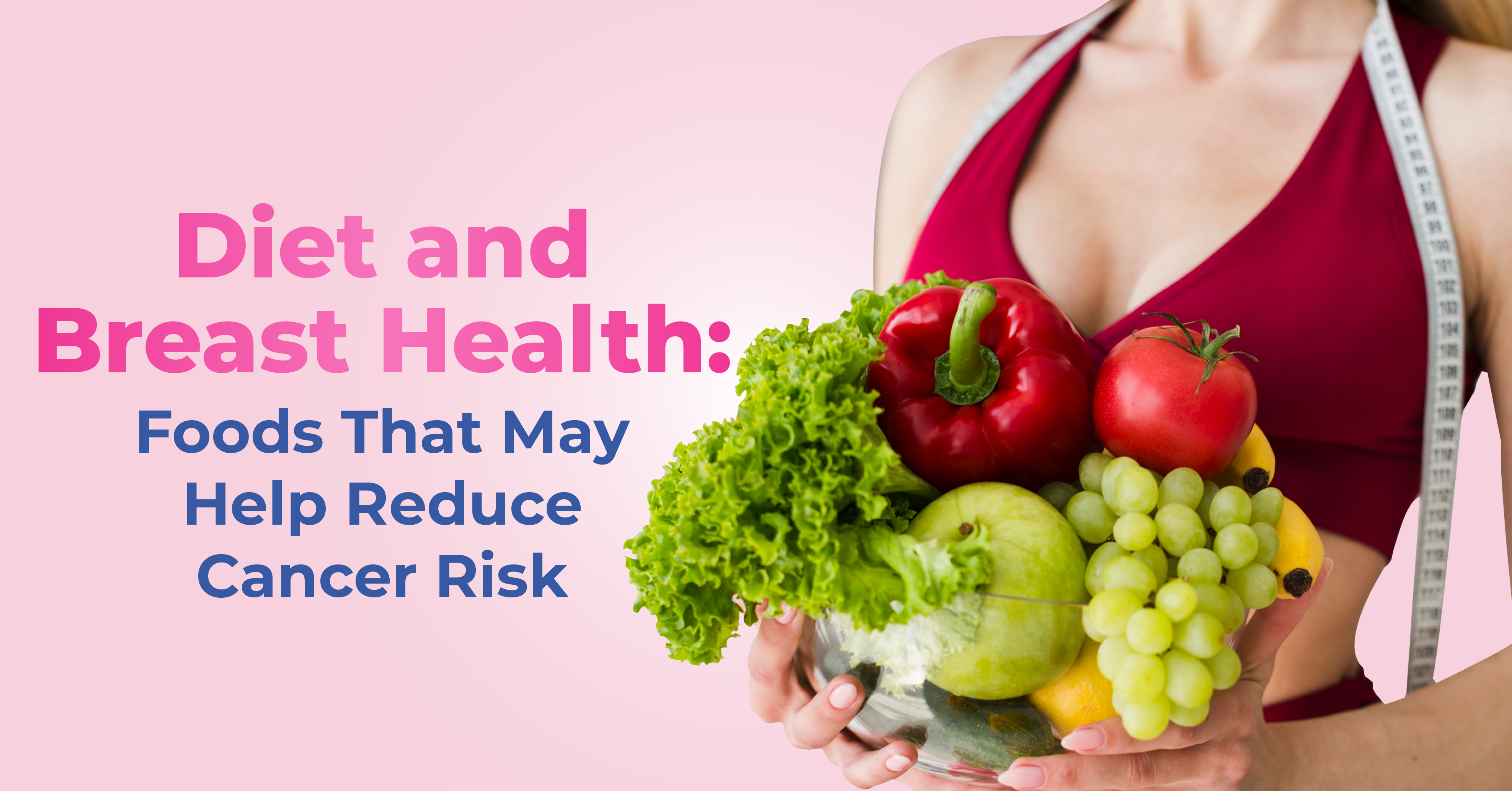
Table of Contents
More from Blog

Jun 06, 2026
Jun 06, 2026
Jun 06, 2026
Jun 06, 2026

Jun 06, 2026
Breast health is influenced by a combination of genetics, lifestyle, and environmental factors-but one area that often doesn't get enough attention is diet.
What you eat every day plays a powerful role in supporting your body's natural defenses, including those that help reduce the risk of chronic diseases.
While no single food can prevent breast cancer, research consistently shows that certain dietary patterns can support hormonal balance, reduce inflammation, and strengthen the immune system-all of which are important for long-term breast health.
Understanding how nutrition impacts your body can help you make informed, sustainable choices.
In this blog, we'll explore the connection between diet and breast health, and highlight foods that may help reduce cancer risk.
How Diet Influences Breast Health
The food you consume directly affects how your body functions at a cellular level.
Nutrients from your diet help regulate hormones, support immune function, and protect cells from damage.
One of the key factors linked to breast health is inflammation.
Diets high in processed foods, sugar, and unhealthy fats can increase inflammation in the body, which is associated with a higher risk of chronic conditions, including certain cancers.
Hormonal balance is another important aspect.
Since breast tissue is sensitive to hormones like estrogen, maintaining a balanced diet can help regulate hormone levels and reduce potential risks.
Additionally, antioxidants found in many plant-based foods help protect cells from oxidative stress-a process that can damage DNA and contribute to disease development over time.
Foods That May Help Reduce Cancer Risk
A balanced, nutrient-rich diet can support your body's natural ability to protect itself.
While no food offers guaranteed prevention, some have properties that may help lower risk.
Cruciferous Vegetables
Vegetables like broccoli, cauliflower, cabbage, and kale contain compounds that support detoxification and help regulate estrogen levels.
These compounds may assist the body in eliminating excess hormones.
Berries and Colorful Fruits
Fruits such as blueberries, strawberries, and pomegranates are rich in antioxidants.
These help fight oxidative stress and reduce inflammation in the body.
Whole Grains
Whole grains like brown rice, oats, and quinoa provide fiber, which plays a role in maintaining healthy digestion and supporting hormone balance.
Healthy Fats
Sources of healthy fats, including nuts, seeds, and olive oil, contain anti-inflammatory properties.
Omega-3 fatty acids, in particular, are known to support overall health.
Green Tea
Green tea contains natural compounds that may help protect cells and support the body's defense systems.
The Importance of Fiber in Hormonal Health
Fiber is one of the most important nutrients for maintaining hormonal balance.
It helps regulate estrogen levels by binding to excess hormones and aiding their removal from the body.
This process reduces the likelihood of hormone buildup, which can affect breast tissue.
A fiber-rich diet also supports gut health, which is closely linked to hormone metabolism.
Including a variety of fruits, vegetables, and whole grains can help ensure adequate fiber intake.
Foods to Limit for Better Breast Health
Just as some foods support health, others may increase risk when consumed in excess.
Highly processed foods, refined sugars, and trans fats can contribute to inflammation and disrupt normal metabolic processes.
Excess alcohol consumption has also been linked to an increased risk of breast cancer, as it can affect hormone levels and liver function.
While occasional indulgence is fine, maintaining moderation is key to long-term health.
The Role of Lifestyle Alongside Diet
Diet alone is not the only factor influencing breast health.
It works best when combined with a healthy lifestyle.
Regular physical activity helps maintain a healthy weight and supports hormone regulation.
Exercise also improves circulation and immune function.
Managing stress is equally important, as chronic stress can disrupt hormonal balance and weaken the body's defenses.
Adequate sleep allows the body to repair and regenerate, supporting overall well-being.
When combined with a balanced diet, these habits create a strong foundation for long-term health.
Can Diet Alone Prevent Breast Cancer?
It's important to approach this topic with clarity.
Diet can significantly influence your overall health and may help reduce risk, but it cannot guarantee prevention.
Breast cancer is a complex condition influenced by multiple factors, including genetics, age, and environmental exposures.
However, adopting a healthy diet and lifestyle can empower you to take proactive steps in supporting your body's natural defenses.
FAQs
Which foods are best for breast health?
Foods rich in antioxidants, fiber, and healthy fats-such as vegetables, fruits, whole grains, and nuts-are beneficial.
Can diet reduce breast cancer risk?
A healthy diet may help reduce risk by supporting hormone balance and reducing inflammation.
Is sugar linked to breast cancer?
High sugar intake can contribute to inflammation and weight gain, which may indirectly increase risk.
How important is fiber for breast health?
Fiber helps regulate hormones and supports gut health, both of which are important for breast health.
Should I avoid all fats?
No, healthy fats are essential.
Focus on sources like nuts, seeds, and olive oil while limiting unhealthy fats.
Conclusion
Diet plays a powerful role in supporting breast health and overall well-being.
While no single food can prevent disease, a balanced and nutrient-rich diet can help reduce risk factors and strengthen your body's natural defenses.
By focusing on whole foods, maintaining a healthy lifestyle, and making mindful choices, you can take meaningful steps toward long-term health.
Small, consistent changes in your diet today can have a lasting impact on your future well-being.
